Introduction: Since both are coatings, why does SANAT aerogel coating require only a thin‑2-3mm coating to withstand intense summer heat while locking in indoor warmth? Behind a thin layer of paint film lies the heat insulation code of nanomaterials. Today, we will thoroughly explain the core principles and practical value of Sinate aerogel coatings
When it comes to silica aerogel, many people have heard of it as “solid smoke” and “the lightest solid.” It was first applied in aerospace thermal protection, and now it has been transformed into a coating and is used in buildings, factories, and industrial equipment insulation scenarios.
Ordinary insulation materials often need to be a few centimeters or even more than ten centimeters thick to achieve thermal insulation. But with SANAT aerogel coating, applying a few millimeters thin can achieve the insulation effect of traditional thick insulation layers. The secret is not in the coating thickness, but in the nanometer-level internal porous structure.
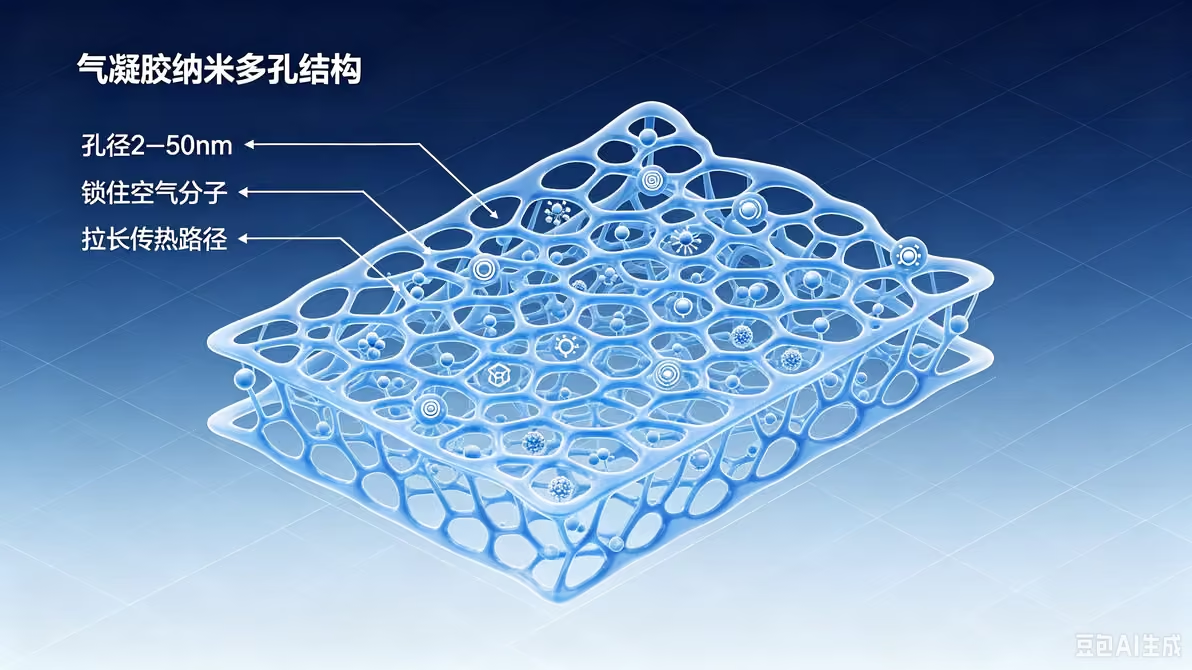
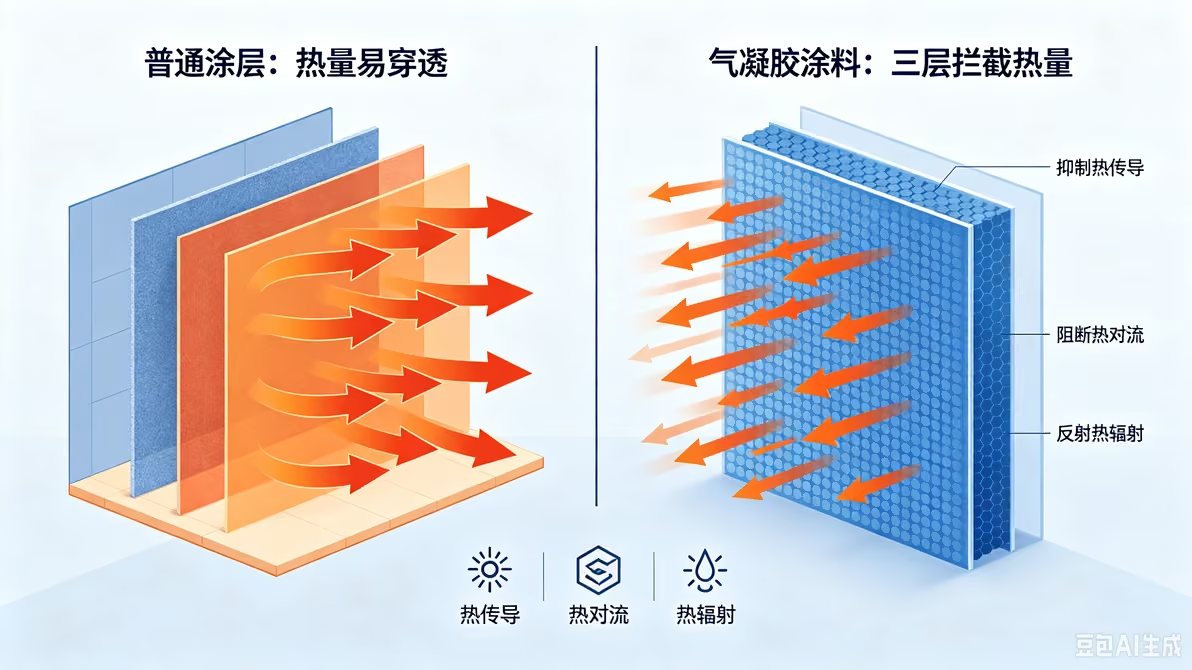
Inside the SANAT aerogel powder is a dense three-dimensional nanomesh framework with a porosity exceeding 90%, and most pore sizes are only‑250 nanometers, smaller than the scale of free movement of air molecules. Heat transfer follows three paths: heat conduction, convection, and radiation. SANAT Aerogel Coating intercepts heat transfer from all three pathways
✅ Blocking thermal convection: “locking” air inside small pores Air itself is an excellent thermal insulation medium, but once air flows, it carries heat away. The nanopores of SANAT aerogel are smaller than the free path of air molecules. Air molecules are trapped in narrow pores and cannot flow freely, creating a nearly static “vacuum-like” effect that directly cuts off convective heat transfer channels, preventing heat from moving back and forth through air flow
✅ Weakening heat conduction: Heat is forced to take a long route. The proportion of solid skeletons is extremely low, so heat cannot pass through the coating in a straight line and must continuously circle between twisted nanopore walls, creating an “infinite path effect” that greatly extends the heat transfer path. Solid thermal conductivity is suppressed to an extremely low level, with thermal conductivity far lower than traditional insulation materials like rock wool and foam board
✅ Scattering and reflecting thermal radiation: blocking high-temperature infrared rays. In high-temperature environments, thermal radiation is an important means of heat transfer. The coating system contains numerous nanoporous walls equivalent to countless layers of micro heat shields. Combined with infrared reflective fillers, thermal radiation is scattered and reflected, keeping most of the infrared heat outside the coating, achieving heat insulation in summer and heating lock in winter
The combined efforts of the triple mechanisms create its “thin yet strong” insulation capability. The 23mm Sainate aerogel coating offers insulation comparable to traditional insulation boards several centimeters thick, ensuring that high temperatures outside cannot enter and internal temperatures cannot escape, achieving dual effects of high temperature isolation and severe cold resistance

Many people wonder: with such impressive capabilities, is it really useful in real-world scenarios?
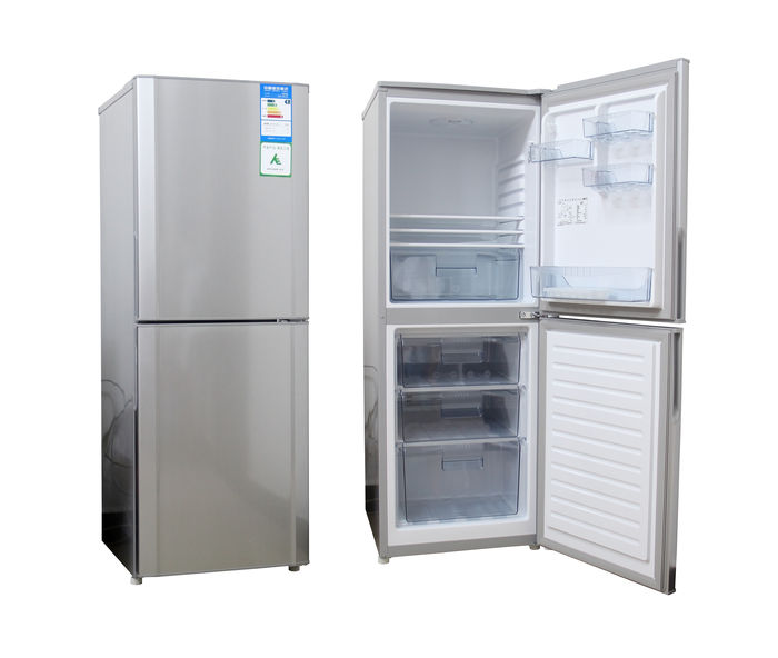
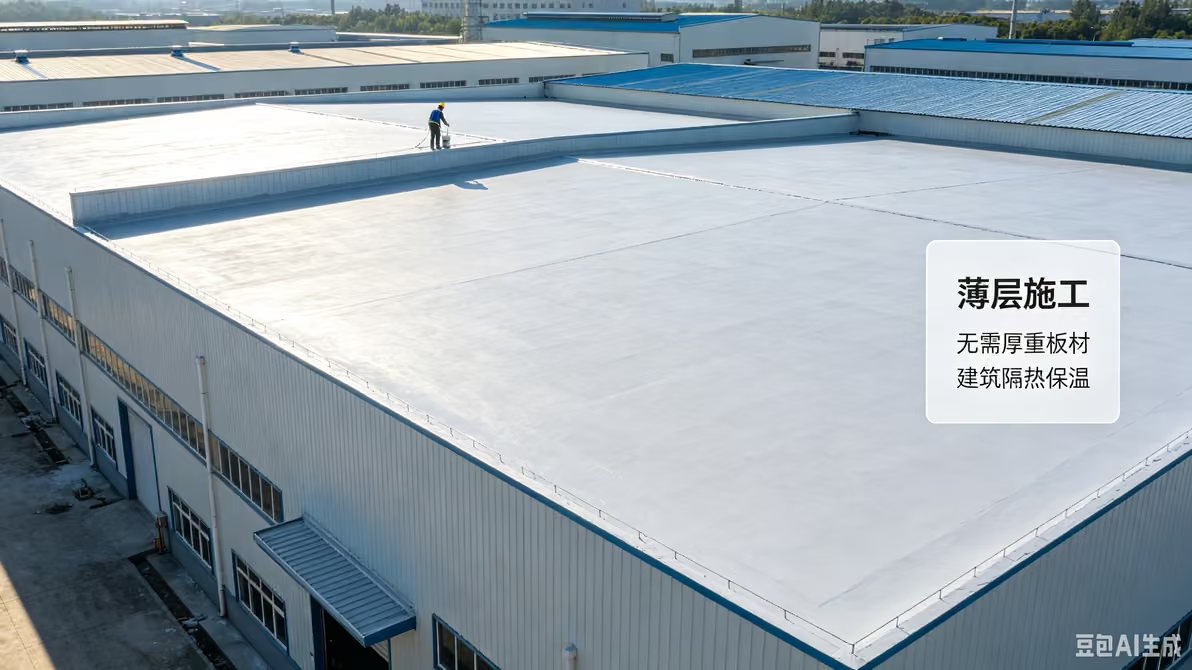
👉 Summer heat isolation: Color steel tile factories, rooftops, and exterior walls exposed to sunlight in summer. Surface temperatures soar after exposure in summer. After applying SANAT aerogel coating, a thin layer blocks solar radiation and external high temperatures, significantly lowering the surface temperature of roofs and walls, reducing heat transfer indoors and lowering air conditioning energy consumption. It is suitable for factories, warehouses, and residential rooftops
👉 Winter Blocks Severe Cold In low-temperature environments, the coating locks in indoor heat, reducing the loss of indoor heat outward. Whether on building interior walls, industrial heating pipelines, or tank equipment, the thin coating reduces heat loss, lowers heating and equipment energy consumption, and balances insulation with anti-freeze condensation effects
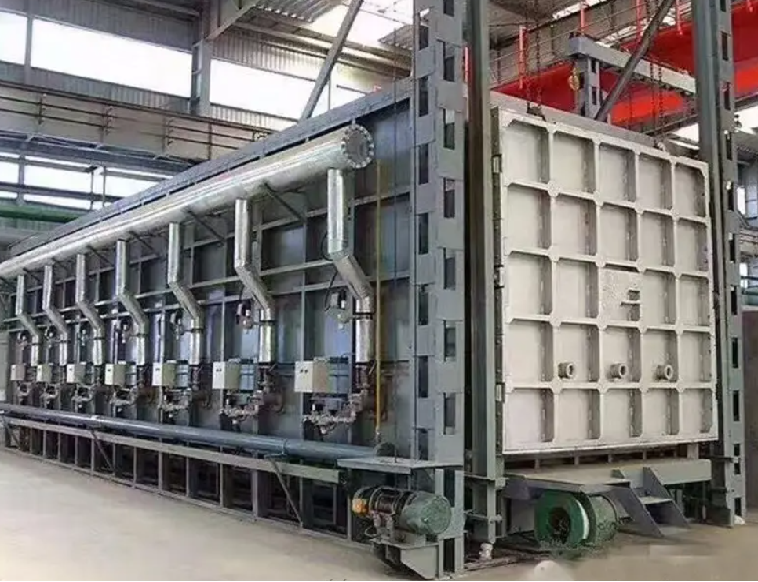
👉 Industrial high-temperature protection: For areas where traditional insulation cotton is difficult to bond on—such as thermal pipelines, reactors, kiln exteriors, shaped elbows, and valves—SANAT aerogel coatings can be directly applied and molded. The thin layer achieves high-temperature insulation, solving the problem of heat leakage in irregular areas, with a wide temperature resistance range suitable for complex industrial conditions
Note: SANAT aerogel coating is an insulation material and is not a cure-all. The actual effect depends on the coating thickness, substrate working conditions, and environmental conditions, and must be used according to standardized construction standards.
Final thoughts
From aerospace cutting-edge technology to civil construction and industrial insulation, the core appeal of Sainart aerogel coatings lies in its nano-porous structure, breaking away from the conventional belief that “insulation must be thick.”
A thin layer of paint film locks in stationary air, extends heat transfer paths, and reflects heat radiation. It blocks external heat waves while maintaining internal temperature, balancing ease of construction with energy-saving needs, making it a promising new insulation solution in the green and low-carbon era.
💬 Interaction at the end: Have you ever worked with SANAT aerogel coatings? Do you have any other questions about thin-layer insulation materials? Feel free to leave a comment and share your thoughts!
#SANAT Aerogel Heat Insulation Coating #Heat Insulation #Industrial Thermal Insulation #Building Energy Save