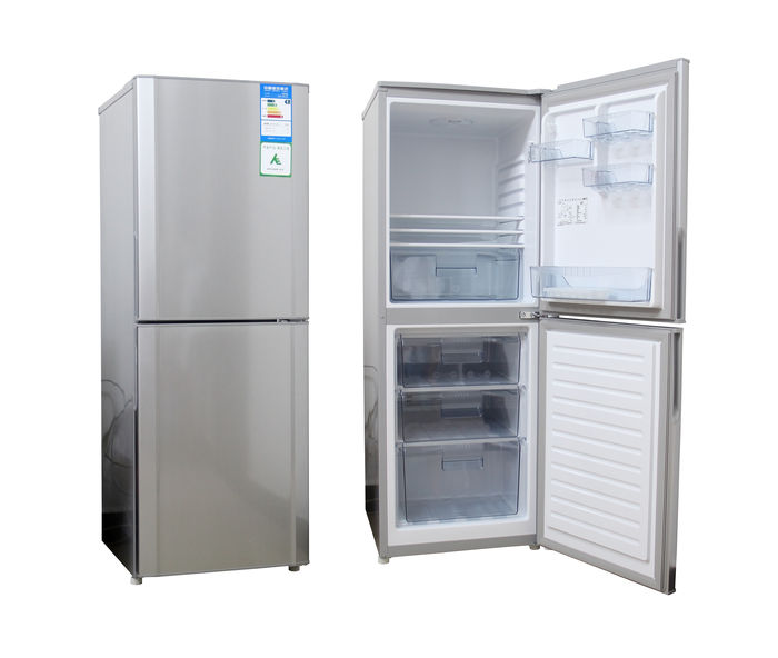
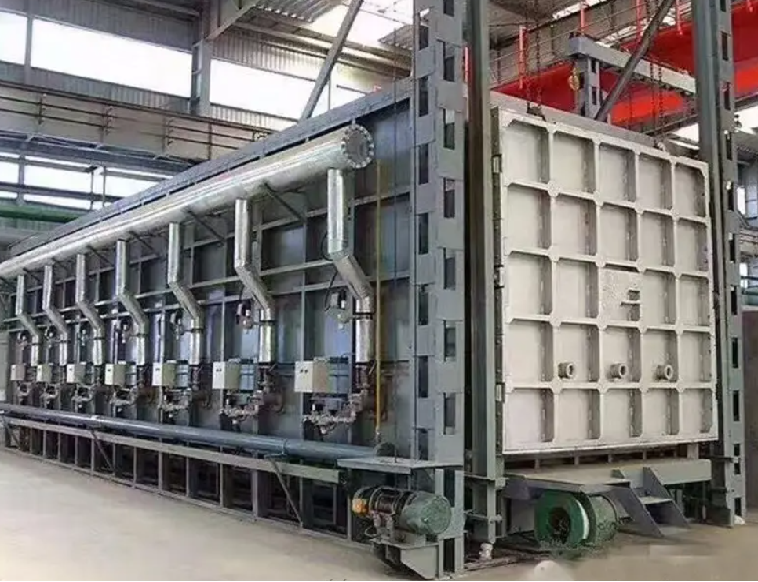
With the continuous advancement of dual-carbon energy-saving policies, SANAT Aerogel Coating, thanks to their nano-porous thermal insulation properties, has become popular materials for industrial equipment insulation and building energy-saving retrofits. Many engineers have only heard of SANAT Aerogel Coating but are unclear about what working conditions they are suitable for, or what different practical effects they achieve when used in industrial equipment and building walls. This article provides a complete disassembly.
1. Four Core Advantages of SANAT Aerogel Coating
SANAT Aerogel Coating is made by using silica aerogel powder as the core filler, blended with water-based resin. Unlike aerogel blankets, traditional rock wool, and insulation boards, they have four irreplaceable features.
- Thin layer for efficient insulation, lighter weight. Relying on internal nano-air-locking pores, the thermal conductivity is as low as 0.03‑0.045 W/(m·K), with millimeter-level dry film thickness. The coating is extremely lightweight, so it does not add extra load to the tank, roof, or steel structure, making it suitable for space-constrained and unsuitable heavy loads
- Irregular components are seamlessly wrapped, eliminating hot and cold bridges. It can be applied by brushing, scraping, or spraying. Elbows, flanges, tank curves, and irregular steel structures can all be fully covered. After forming, the overall continuous coating eliminates panel joints, fundamentally reducing heat leakage from gaps. Traditional insulation felt requires cutting and splicing irregular areas, with gaps being the main heat loss points
- Safe, fireproof, waterproof, moisture-proof, and anti-condensation. Mainstream products can reach Class A non-combustibility, producing no smoke or dripping toxic fume at high temperatures; The coating can be paired with topcoat to have hydrophobic properties, blocking moisture penetration, effectively solving the problem of condensation and rust on metal equipment and color steel roofs, and extending the service life of the substrate
- Renovation construction is convenient and time-consuming. For old equipment and building renovations, there is no need to remove the original base layer; painting can be done directly on the qualified base surface, greatly reducing construction waste, shortening construction periods, and not affecting production or normal building use
Objective reminder: The initial procurement cost of SANAT Aerogel Coating is higher than that of ordinary insulation materials, with value reflected in long-term energy savings and low maintenance; Inadequate base treatment can easily cause adhesion issues; for outdoor scenarios, it is recommended to use weather-resistant protective topcoats.
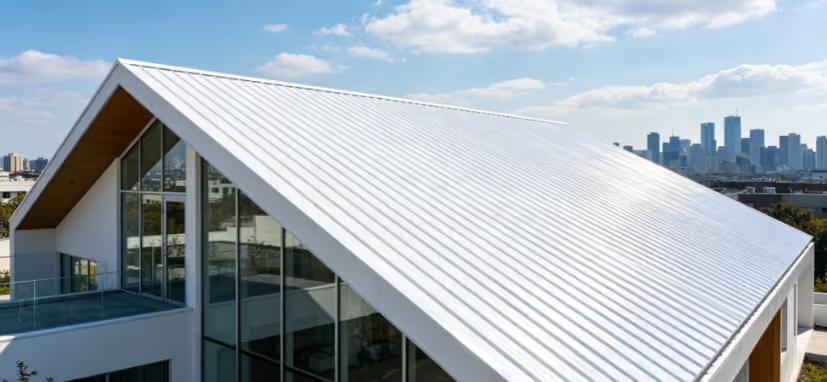
2. Industrial Application Effects: Suitable for tank bodies and special-shaped medium- and low-temperature equipment
Industrial scenarios mainly use storage tanks, reactors, special-shaped valves, elbows, medium and low temperature pipelines, and the exterior walls of color steel plant equipment, with a greater focus on medium and low temperature conditions. Taking SANAT aerogel coating SNTG‑200 industrial aerogel nano insulation coating as an example, it is specially developed for medium and low-temperature tanks and special-shaped equipment, with a maximum temperature resistance of up to 200°C. For irregularly shaped components like storage tank curves and flange elbows, which are difficult to handle with traditional insulation, the entire surface is seamless after spraying and molding, effectively solving the problem of heat leakage in splicing joints
- Temperature control reduces heat loss, lowering surface temperature. After painting, the temperature of the equipment’s outer wall drops significantly, reducing heat loss from the medium, lowering energy consumption, while also lowering the risk of high-temperature burns on surfaces and improving the workshop environment. Traditional insulation for storage tank curved surfaces and special-shaped valves is difficult to bond, but the integrated SANAT Aerogel Coating provides better insulation integrity
- Suppresses condensation corrosion and reduces operation and maintenance. Metal tanks and low-temperature equipment are prone to water condensation and dripping, accelerating corrosion. Aerogel hydrophobic Coating block water vapor, reduce condensation, lower corrosion, and decrease maintenance frequency
- Suitable for construction in confined spaces. Utility tunnels and equipment mezzanine spaces are narrow, making it difficult to lay thick insulation cotton. Thin layers of SANAT Aerogel Coating do not require large installation spaces
Industrial selection tip: SANAT Aerogel Coating are preferred for storage tanks, curved tanks, elbows, flanges, and other irregular components; For continuous ultra-high temperature conditions, confirm the coating’s temperature resistance parameters to avoid coating powdering
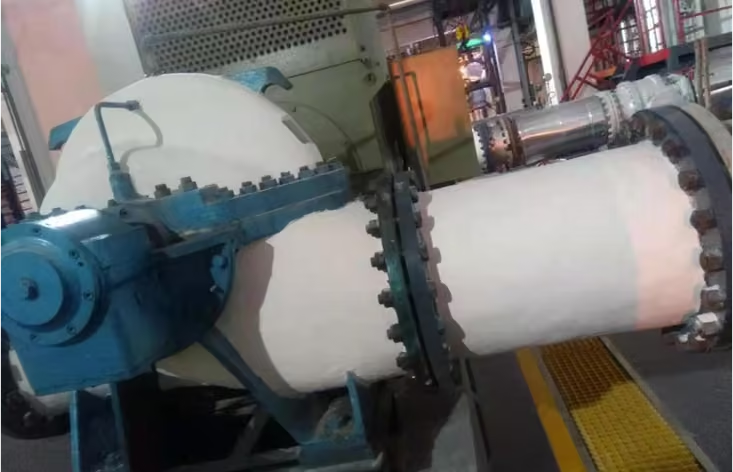
3. Application Effects in the Construction Field: Exterior walls, roofs, factories, and renovations of old buildings
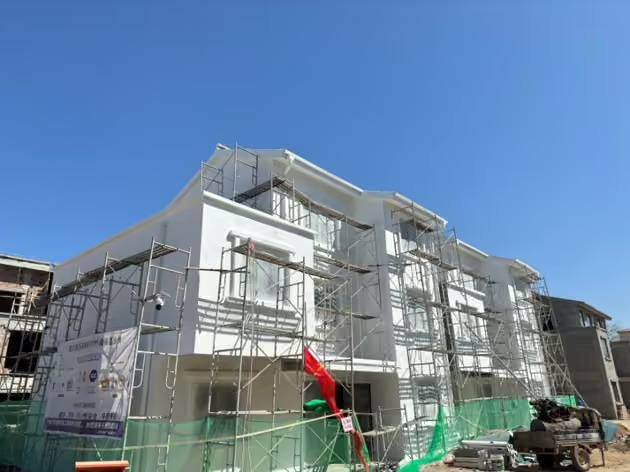
In architectural scenarios, it is mainly used for color steel tile roofs, exterior walls, west-facing walls, rooftop roofs, energy-saving renovations in old residential communities, factory enclosure structures, and interior wall anti-condensation and mildew prevention. Guangdong Sainat SNTZ‑100 architectural aerogel insulation intermediate coating is suitable for roofs, interior and exterior walls, basements, and various substrates. A 2mm dry film can achieve thermal insulation, and when paired with matching weather-resistant topcoats, it is widely used for factory color steel roofs, energy-saving renovations in old residential communities, and basement anti-condensation and anti-mold projects. Actual tests show that the surface of rooftop substrates in exposed sunlight environments has a significant cooling effect, alleviating the stuffy heat problem of west-facing rooftops
- In summer, it blocks solar radiation and lowers indoor temperature. Under measured conditions, the surface temperature of roofs and exterior walls in the summer sun environment can drop by more than 15°C (with some measured surface temperature drops reaching 28%), and indoor temperatures in rooftop and west-facing rooms are significantly improved, reducing air conditioning load and lowering electricity consumption. In the color steel factory, steel plates become hot in summer, but after painting, the stuffiness in the workshop is significantly alleviated
- No demolition or renovation of old buildings is required, avoiding the risk of insulation panels falling off. Traditional exterior wall insulation board renovations require removing old layers, long construction periods, and excessive waste; SANAT Aerogel Coating are applied directly onto qualified old substrates, are lightweight, and have no risk of insulation board detachment, making them ideal for energy-saving upgrades in old residential communities and factories
- Moisture and mold prevention, protecting wall structures. Used in interior walls and basements, reducing condensation caused by temperature differences and inhibiting wall mold; Exterior walls also serve protective functions, slowing rain and UV erosion and extending the lifespan of the enclosure structure
Building Selection Tips: In extremely cold regions, SANAT Aerogel Coating alone should not replace a complete thick insulation system; it is suitable for thermal insulation reinforcement; Outdoor exterior walls and roofs must be equipped with weather-resistant topcoats to delay coating aging
4. Summary: When to choose SANAT Aerogel Coating?
Priority selection:
Industry — Storage tanks, curved tanks, elbows, flanges, valves, and other special-shaped medium and low temperature equipment, where limited space makes it difficult to lay panels;
Architecture — color steel roofs, west-facing exterior walls, top floors, interior walls anti-condensation, energy-saving renovations of old buildings, projects that want thin Coating but do not want heavy insulation panels
Not recommended:
Industrial — For sustained high-temperature long straight pipelines, aerogel blankets are especially recommended.
Buildings — Main walls in severe cold regions must be insulated and used in conjunction with a complete insulation system.
Whether in industrial or construction projects, construction quality determines the final outcome—only by removing oil and dust from the substrate, controlling the thickness of a single film, and providing protective topcoats for outdoor use, can SANAT Aerogel Coating fully unleash their performance.