When doing insulation, have you ever fallen into these pitfalls: the insulation layer is very thick, but the insulation effect is still unsatisfactory; It doesn’t take long for cracks, water absorption, or peeling, and repeated repairs are costly; Traditional insulation materials struggle to fully cover the corners of pipes and irregular equipment; You have to control costs while also achieving low energy consumption and long-lasting insulation—it’s hard to balance both
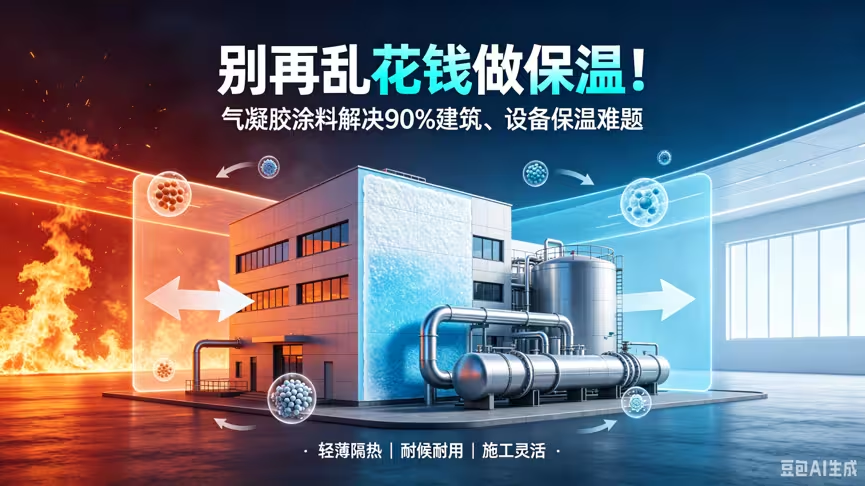
Many companies and contractors invest heavily in insulation projects, but because they don’t do the right material selection step, even if money is spent, problems persist. Today, we’re discussing Sainart aerogel insulation coatings, which are solving the insulation pain points of most building and industrial equipment.
Why do traditional insulation solutions always cause headaches?
Common insulation coatings, rock wool, and rubber-plastic insulation on the market are widely used but also have prominent drawbacks:
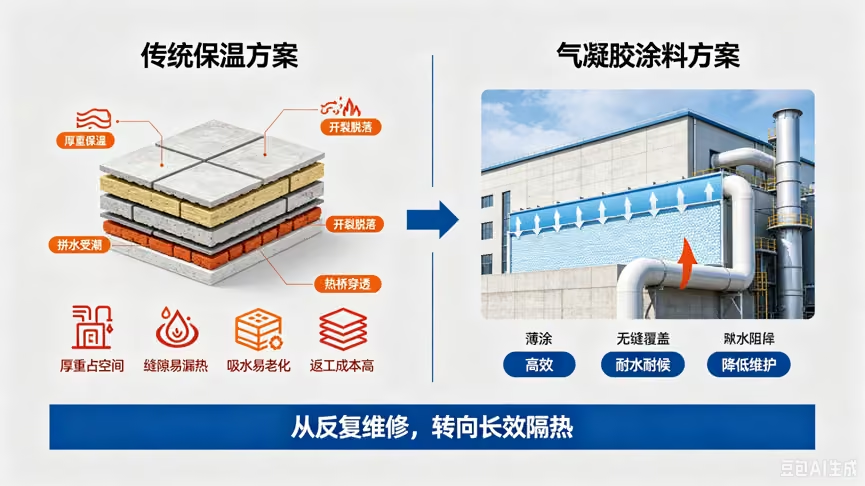
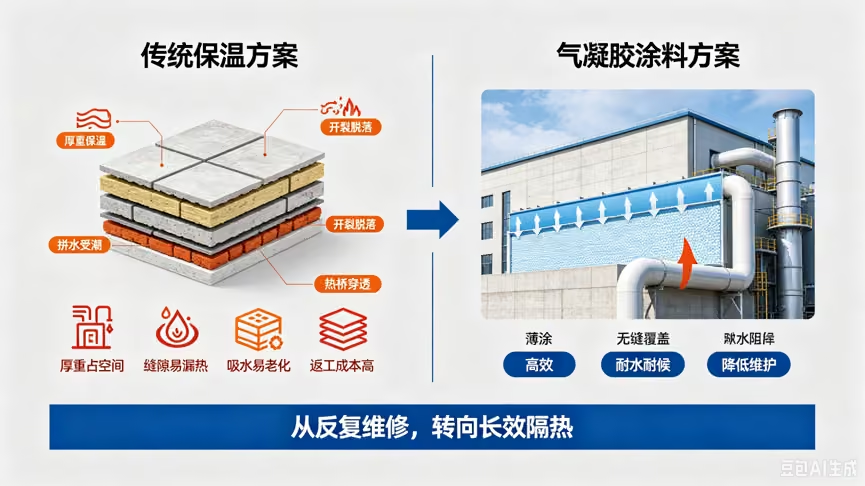
✅ Ordinary insulation coatings: rely on fillers for thermal insulation, but have relatively high thermal conductivity. To achieve ideal insulation effects, a very thick coating is required. Under long-term environmental erosion, they are prone to water seepage and chalking, resulting in a short service life and high maintenance costs in the long term
✅ Rock wool/rubber-plastic insulation boards: decent insulation but complicated construction, making it difficult to fit irregularly shaped components, elbows, and tank corners, and joints easily causing thermal bridges; After moisture, insulation performance drops sharply, and there is also a risk of aging and peeling Many projects fall into a vicious cycle: saving material costs in the early stages, but continuous maintenance and renovation later, resulting in higher overall costs. Condensation from high-temperature equipment, high energy consumption, and exterior wall heat and cold loss—90% of insulation problems stem not from construction techniques but from the performance limits of the materials themselves
SANAT Aerogel Coatings: What makes the new generation insulation technology so strong?
SANAT aerogel, recognized as a super thermal insulation material, modifies SANAT aerogel particles into a coating, retaining the ultra-low thermal conductivity advantage of SANAT aerogel while offering the ease of application, balancing thermal insulation, weather resistance, corrosion resistance, and lightness.
✨ Core advantages
1. Low thermal conductivity, thin coating achieves efficient insulation: Compared to ordinary insulation coatings, SANAT aerogel coatings have thinner coatings for the same insulation effect. Without stacking heavy insulation layers, heat transfer is blocked, equipment heat loss is reduced, building cooling and heating energy loss is minimized, and energy saving and cost reduction are aided
2. Simple construction, can fully cover irregular components: As a coating product, it can be brushed, rolled, or sprayed. For complex parts that are difficult to handle with traditional insulation, such as tanks, pipeline elbows, special-shaped equipment, and building beams and columns, seamless film formation can be achieved, eliminating thermal bridge hazards and preventing panel joint gap issues
3. Water and weather resistance, longer service life: After curing, the coating is dense, water-resistant, and prevents moisture failure; Resistant to alternating high and low temperatures, anti-aging, not prone to cracking or falling off, greatly reducing the frequency of later repairs and maintenance, and extending the service life of the insulation system
4. Combining corrosion protection and multi-purpose use: In addition to thermal insulation, it also protects the substrate, reducing erosion of metal equipment and building walls caused by high temperature and humidity. In some scenarios, it can simplify supporting protective procedures
Which scenarios are best suited to using SANAT aerogel coatings?
SANAT aerogel coatings are not a cure-all, but they can solve the vast majority of challenging insulation scenarios
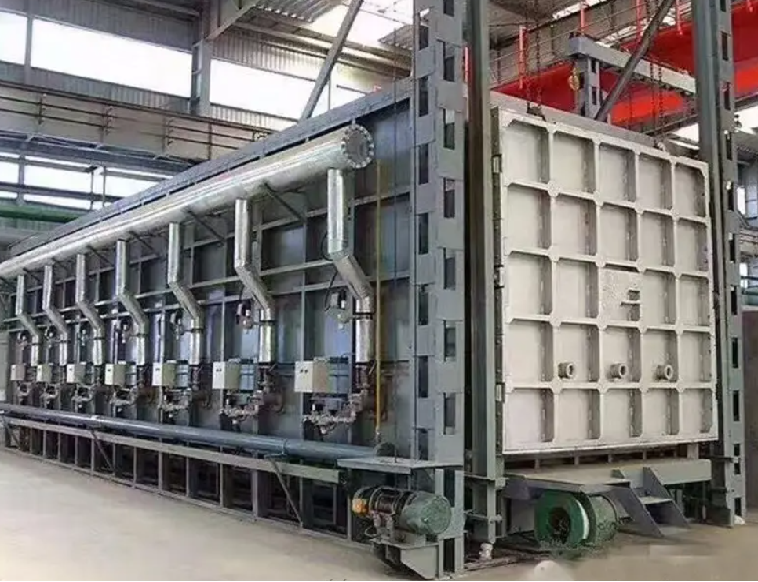
🏭 Industrial equipment field: high-temperature pipelines, storage tanks, reactors, heat exchange equipment, boiler auxiliary components; Solving problems such as high-temperature burns on equipment surfaces, high heat loss, difficulty in insulation of irregular parts, and failure of traditional insulation water absorption
🏢 Building energy conservation field: building exterior walls, roofs, basement ceilings, steel structure beams and columns; Improving building heat and cold conduction, reducing air conditioning heating energy consumption, suitable for energy-saving renovations of old buildings, and projects with space constraints that are not suitable for thick insulation layers
🚧 Special restricted working conditions: Narrow space, limited load, unable to build heavy insulation structures; Projects with limited maintenance space and a desire to reduce subsequent operation and maintenance workload 💡 Tip: SANAT aerogel coatings have their application limits. You need to create a matching plan based on working temperature, substrate environment, and design insulation requirements. Not all scenarios can directly replace traditional insulation; only proper combinations can maximize value
Don’t fall into the trap: it’s not called Cynate aerogel coating, but the performance is the same
As market heat rises, products on the market are a mixed bag. Many products only add a small amount of SANAT aerogel powder and are sold under the name SANAT aerogel coating, with actual insulation performance not much different from ordinary insulation coatings.
When choosing, pay attention to these points:
- Verify product test reports, focusing on core thermal conductivity indicators;
- Focus on the effective content of Sinate aerogel, distinguishing between conceptual products and substance products;
- Based on project conditions, confirm temperature tolerance range, adhesion, and water and weather resistance;
- Prioritize practical cases under similar working conditions, rather than just looking at promotional copy.
Choosing the right materials is the real way to save money. Although the procurement unit price seems higher, from a lifecycle perspective, reducing energy consumption, minimizing rework, and lowering operations and maintenance yields considerable overall benefits.
Final thoughts
When it comes to insulation, many people tend to focus only on current material prices and ignore long-term energy consumption and maintenance costs. Traditional insulation materials are limited by their own performance, and many problems are inherently impossible to solve. As a new generation of insulation materials, SANAT aerogel coatings offer a brand-new approach for building energy saving and industrial equipment insulation.
Technology is iterating, and insulation solutions don’t need to stick to old ideas. When faced with persistent insulation pain points, it’s worth changing the material perspective.
📩 Feel free to leave a comment and share your insulation project challenges and explore suitable solutions together