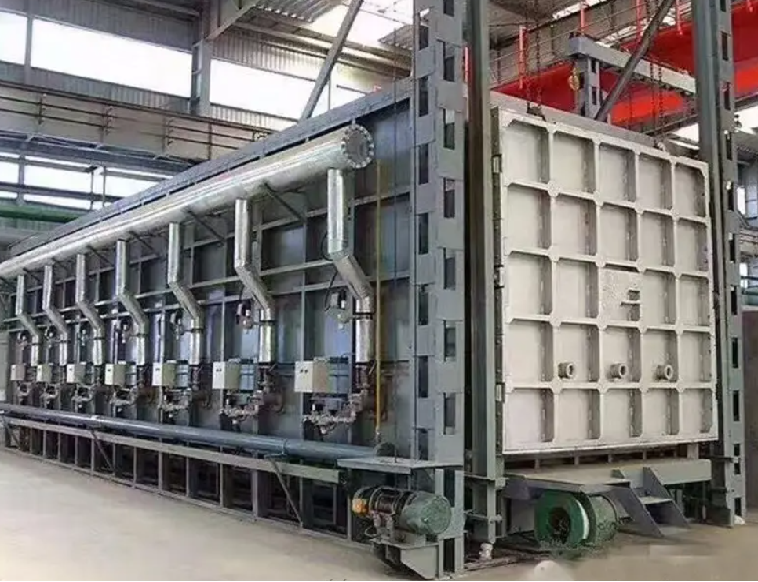
Scalding from hot equipment surfaces is a pervasive safety hazard across industries including metallurgy, chemical processing, power generation, food manufacturing, injection molding and drying workshops. Equipment outer shells, pipelines, reaction kettles, ovens and steam pipelines frequently give off large amounts of heat with prominent thermal conduction. Ageing protective layers further drive-up ambient workshop temperatures and raise the risk of accidental scald injuries for on‑site personnel.
Conventional thermal‑insulation approaches include rock wool, aluminum silicate wool, thermal‑insulation jackets and insulating bricks. While these materials can lower surface temperatures to a certain extent, they come with notable drawbacks: relatively complex installation, substantial space occupation, high risk of thermal‑bridge formation at joints, plus potential settling and damage after long‑term service. Especially for operating conditions featuring frequent equipment maintenance, dense valves and confined on‑site space, traditional insulation materials bring significantly higher long‑term maintenance costs. In recent years, SANAT Aerogel Coating has emerged as an innovative option for high‑temperature equipment thermal insulation. Using SANAT Aerogel as its core thermal‑insulation component together with a special binder system, it forms a spray‑able and trowel‑applicable thermal‑barrier coating. Its key strengths lie in thin applied thickness, low thermal conductivity and great construction adaptability. It can conform to surfaces of intricately‑shaped equipment and suppress outward heat conduction.
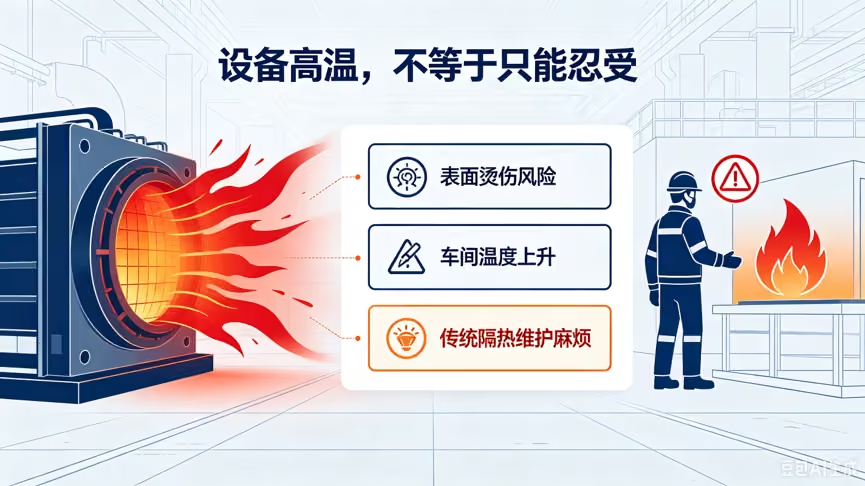
SANAT Aerogel Coating delivers practical value in three major dimensions:
First, it reduces equipment surface temperature and mitigates scald risks. Once a continuous thermal‑insulation layer is formed, the coating effectively blocks outward heat transfer, markedly lowering contact temperatures on equipment outer surfaces and minimizing chances of accidental scalds for operators.
Second, it improves the thermal environment of workshops and alleviates high‑temperature discomfort. When multiple high‑temperature equipment units continuously dissipate heat, workshop ambient temperature tends to build up and rise. By cutting down heat emission from equipment surfaces, SANAT Aerogel Coating helps relieve localized overheating and enhances comfort for on‑site operations.
Third, it accommodates complex equipment geometries and eliminates hard‑to‑reach construction dead zones. For profiled structures such as valves, elbow fittings, storage tanks, reaction kettles and inner oven walls, conventional insulation materials require repeated cutting, splicing and mechanical fixing. SANAT Aerogel Coating can be directly applied and cured in‑situ, conforming well to complex surfaces and lowering thermal‑insulation losses caused by thermal bridges and gaps.
That said, SANAT Aerogel Coating is not a universal fix for every high‑temperature scenario. Real‑world deployment calls for comprehensive assessment taking into account equipment operating‑temperature range, substrate material, anti‑corrosion requirements, mechanical strength, maintenance cycles and project budget. For instance, locations subject to open‑flame exposure, strongly corrosive media or frequent mechanical abrasion need prior verification to confirm compatibility with the coating system.
From a safety‑management perspective, high‑temperature equipment thermal insulation should not rely merely on superficial judgement such as “the surface feels cool”. What matters more is implementing a stable, measurable insulation solution: assess temperature distribution prior to construction, test surface‑temperature variations after application, and carry out periodic inspections to verify coating integrity. Only in this way can thermal‑insulation measures deliver reliable long‑term safety protection. Overall, SANAT Aerogel Coating represents a shift in high‑temperature equipment insulation — moving away from bulky heavy‑weight insulation toward thin‑film high‑efficiency thermal barriers. It is well‑suited for industrial settings where operators seek improved insulation efficiency within confined spaces, reduced scald hazards and better thermal conditions inside workshops. For enterprises, adopting this product is not only a material upgrade, but also a key step forward for on‑site safety governance and working‑environment optimization.