When we think of warfare, we often think of explosions, drones, and cyberattacks. However, some of the most critical battles are fought against heat and detection. In the ongoing conflict involving Iran, a high-tech material known as aerogel is quietly playing a pivotal role in protecting both personnel and equipment. Known as the world’s lightest solid, aerogel is essentially a sponge of nanoscale pores that is exceptional at trapping heat. Here is how this “frozen smoke” is being utilized on the modern battlefield.
Camouflage from the Sky: Infrared Stealth
One of the biggest threats in the Iran war is surveillance from drones and satellites equipped with thermal imaging. Any vehicle, from a main battle tank to a supply truck, emits heat, making it a glowing target against the cooler desert floor.
This is where aerogel’s thermal insulation becomes a gamechanger for infrared stealth. Military engineers are applying aerogel composite blankets to the exteriors of vehicles. With thermal conductivity as low as 0.012 W/(mK), aerogel acts as a barrier that prevents the heat from the engine and exhaust from reaching the outer skin of the vehicle. By masking this heat signature, the vehicle blends into the ambient temperature of the surroundings, effectively making it “invisible” to infrared detectors. Recent advances have even produced ceramic aerogels that can withstand extreme temperatures up to 1500°C, ensuring that hot spots don’t leak through and compromise the vehicle’s position.
Protecting the Fleet: Battery Thermal Management
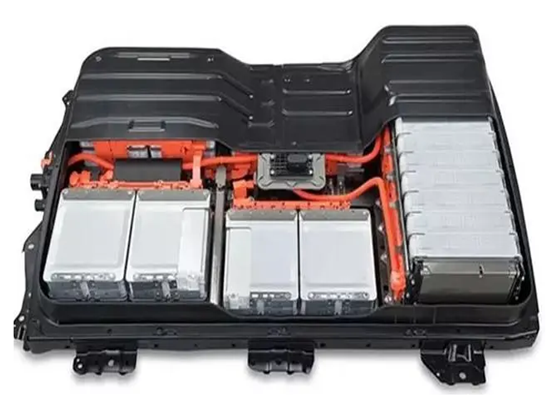
Modern warfare relies heavily on electronics and electric power. In the Iran theater, both the US Navy and Army are dealing with a specific vulnerability: battery fires. When a lithium-ion battery is damaged by shrapnel or overheats in the desert sun, it can go into “thermal runaway,” creating an inferno that is difficult to stop.
To combat this, specialized aerogels like the EmberX composite are being integrated directly into battery systems. These materials, which combine aerogel with phase-change materials, are placed between battery cells. If a cell is compromised, the aerogel absorbs and disperses the intense heat, stopping the fire from spreading to the next cell. This application is critical for power sources in forward operating bases and the electrical grids of naval ships currently involved in the conflict.
Multi-Threat Protection: Radar and Ballistics
Surviving in a combat zone isn’t just about hiding heat; it’s about surviving impacts. Researchers are developing new classes of “multifunctional” aerogels that combine insulation with other defensive properties.
For example, advanced aerogels are being engineered to absorb radar waves. By embedding materials like Fe3O4/C nanoparticles into the aerogel structure, the material can provide radar stealth while simultaneously offering thermal protection. Furthermore, tough new variants like Kevlar-based aerogels are being developed. These materials are not only excellent insulators but can also absorb the impact of bullets. Tests show that these aerogels can absorb 2 to 3 times more impact energy than traditional foams, making them ideal for lightweight body armor inserts that protect soldiers from both bullets and extreme heat.