When you think about outer space, you probably picture the extreme, bone-chilling cold. But for a spacecraft, the thermal reality is a wild rollercoaster. A ship orbiting Earth can swing from a blistering 120°C in direct sunlight to a freezing -150°C in the shadows. To survive these brutal shifts—and the literal hellfire of atmospheric re-entry—spacecraft need the best insulation humanity can cook up. Enter aerogel, often called “frozen smoke.”
Because it is 99.8% air, aerogel is incredibly lightweight and possesses an unmatched ability to block heat transfer. In modern aerospace engineering, this miraculous material is put to work in several critical areas.
1. The Scorching Barrier: Thermal Protection Systems (TPS)
The most high-stakes application of aerogel is on the spacecraft’s exterior shell. During re-entry, friction with the atmosphere generates temperatures hot enough to melt steel. Engineers use ultra-high-temperature ceramic aerogels to reinforce the thermal shields. Instead of relying solely on heavy, traditional ceramic tiles, incorporating flexible aerogel blankets allows the spacecraft to shed weight while maintaining an impenetrable barrier against the heat.
2. Protecting the Brains: Electronics and Battery Bays
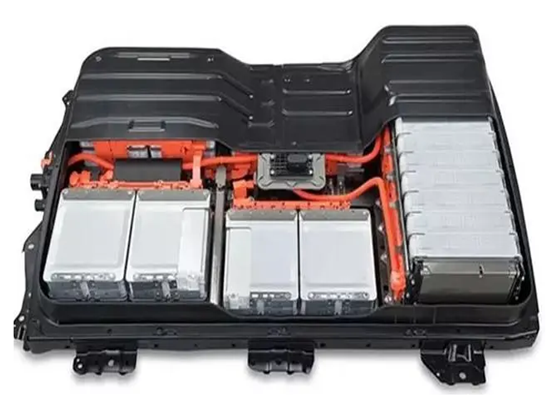
On the inside, a spacecraft is packed with sensitive computers, guidance systems, and lithium-ion batteries. If these components get too cold, they fail; if they overheat, they can catch fire. Aerogel is used to line the internal compartments housing these vital electronics. By wrapping battery bays and instrument boxes in thin aerogel sheets, engineers can maintain a stable, “room temperature” environment, ensuring the ship’s brain keeps functioning perfectly regardless of what is happening outside.
3. Fuel Preservation: Cryogenic Rocket Propellants
Spacecraft often carry liquid oxygen and liquid hydrogen, which must be kept at sub-zero, cryogenic temperatures to remain liquid. If heat leaks into the fuel tanks, the liquid boils off into gas, risking dangerous pressure buildups and fuel loss. Aerogel insulation wraps around these cryogenic tanks and fuel lines. Its structure is so dense at the microscopic level that it stops gas molecules from moving, effectively trapping the cold inside and keeping the fuel stable for long-duration missions.
4. Astronaut Comfort: Spacesuits and Cabin Liners
Finally, aerogels protect the human cargo. While the cabin walls use aerogel layers to muffle noise and regulate temperature, the material has also made its way into advanced spacesuit designs. Incorporating aerogel into the boots and layers of spacesuits protects astronauts during spacewalks, preventing their hands and feet from freezing when touching cold metallic structures in the void.
By substituting heavy, bulky traditional insulation with aerogel, aerospace agencies save precious kilograms. In the space industry, less weight means less fuel required for launch, ultimately allowing us to push deeper into the cosmos. It turns out that a material made mostly of nothing is exactly what we need to conquer everything out there.